Above us is the sky. And the sky belongs to everyone. However, countries have declared the sky above them to be national territory. It was only with the invention of aviation that this became an issue. We find ourselves historically in the early 20th century and spatially still on the ground in the young Republic of Italy. A group of angry young men demand a break with all traditions and establish the progress-fanatical art of Futurism. A few years later, after the First World War, a second generation of Futurism emerges in fascist Italy. Aviation in all its diversity is a particularly popular motif of this art movement, which is therefore given the nickname Aeropittura, air painting. In the art history of the Western world, this art is treated as marginal.
I was interested in air painting because of the historical circumstances surrounding it. The art was staged like a state art. After the end of the Mussolini regime, the subjects of the art were still a topic of discussion, especially in the political tensions of the Cold War.
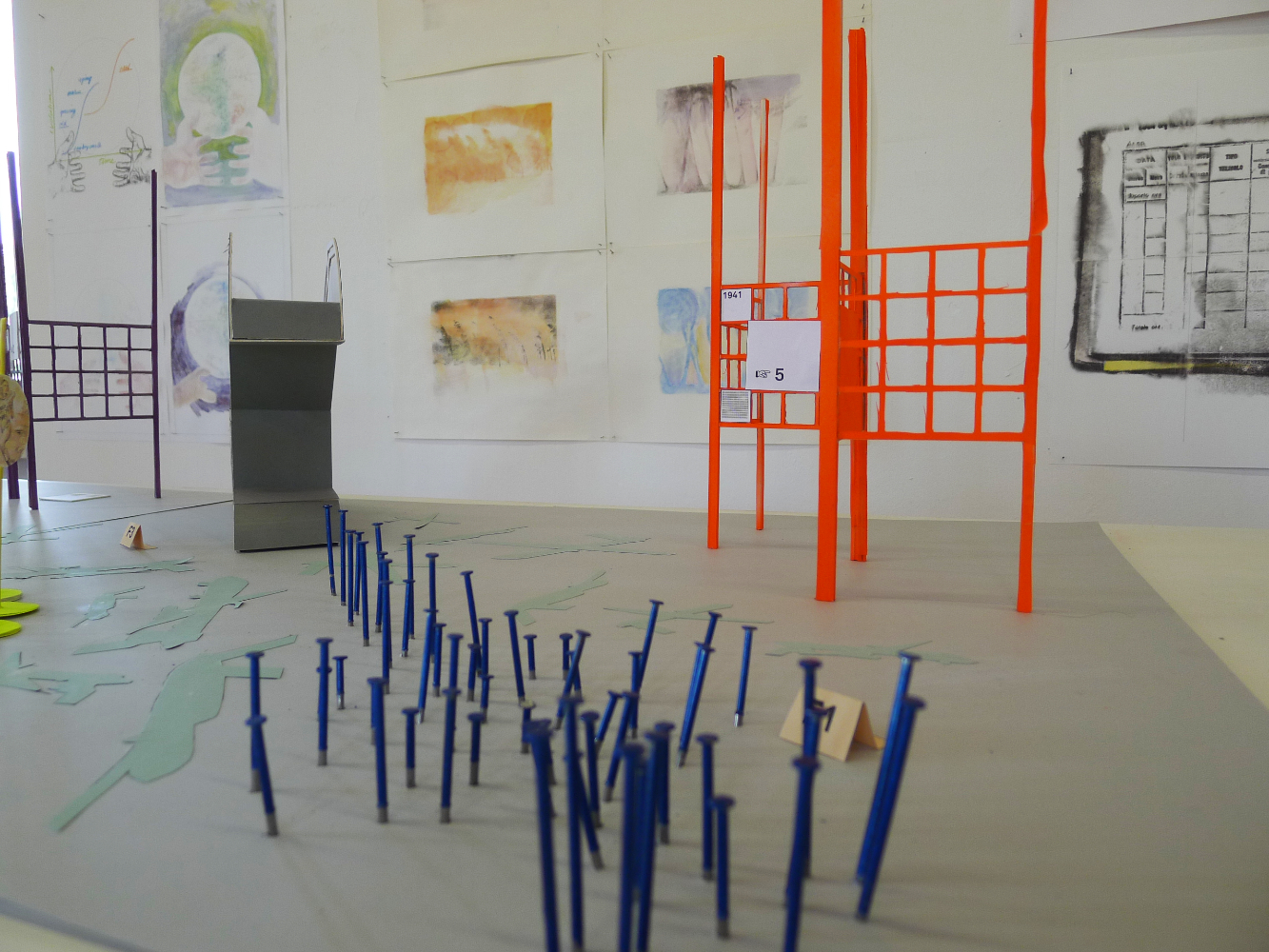
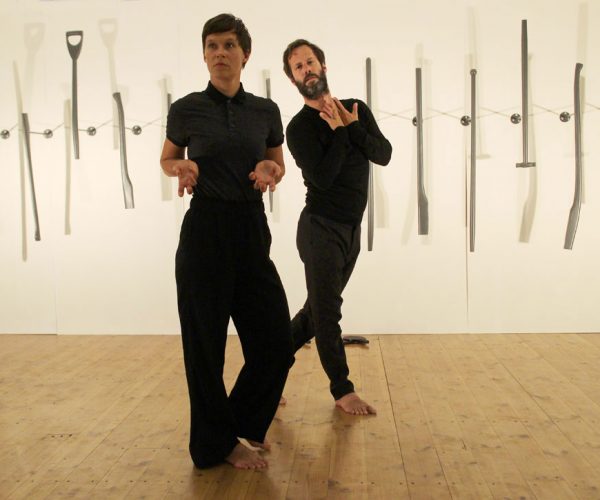
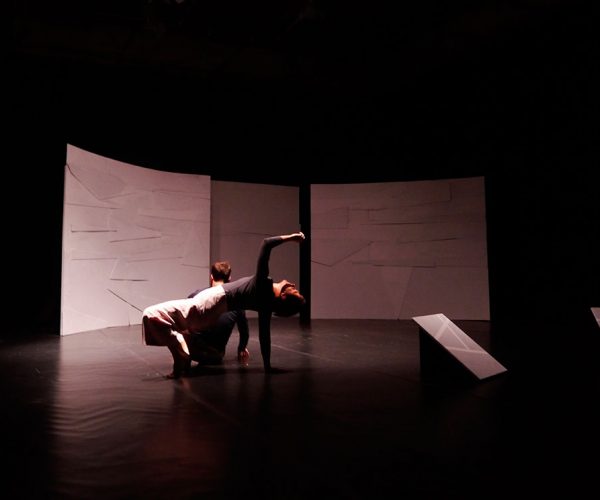
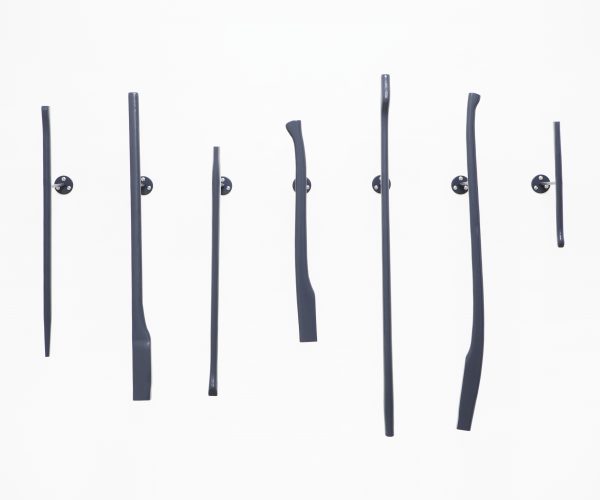
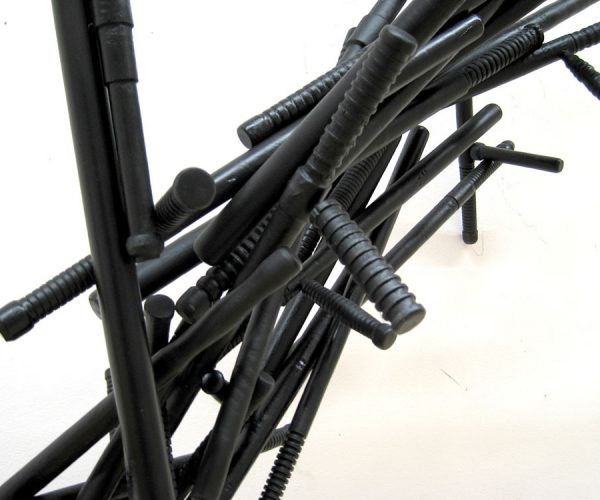
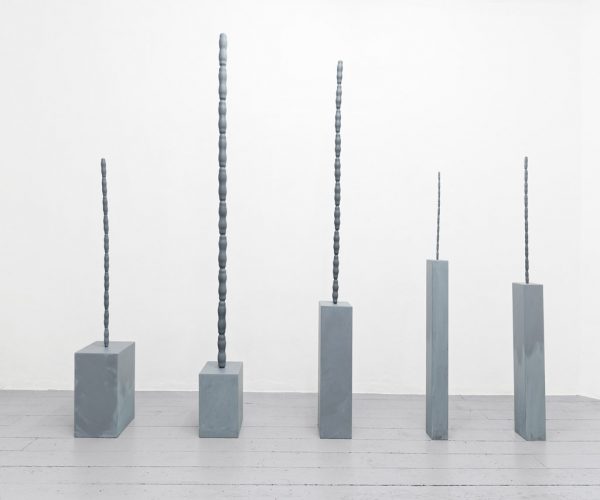
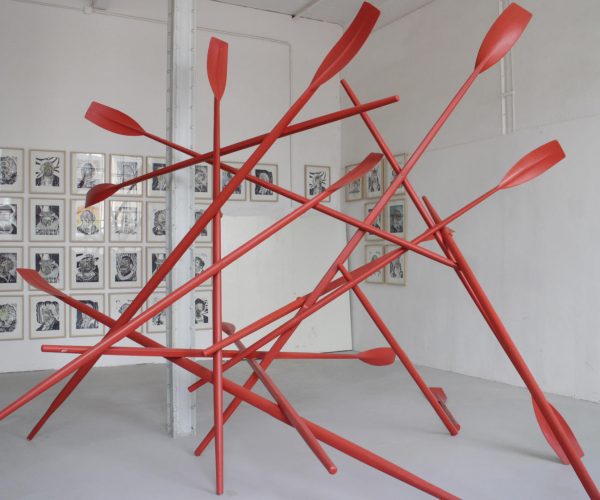
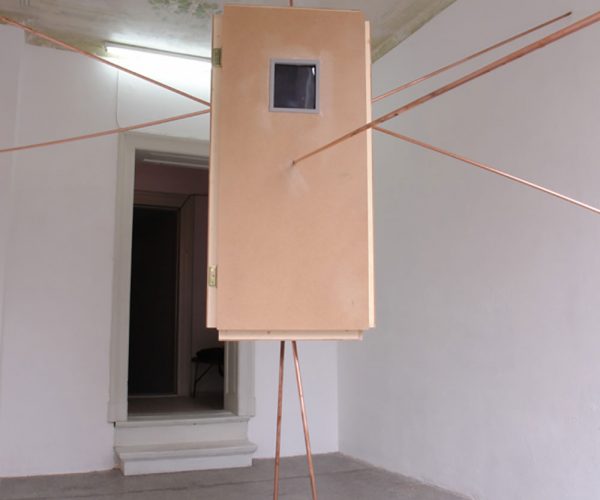
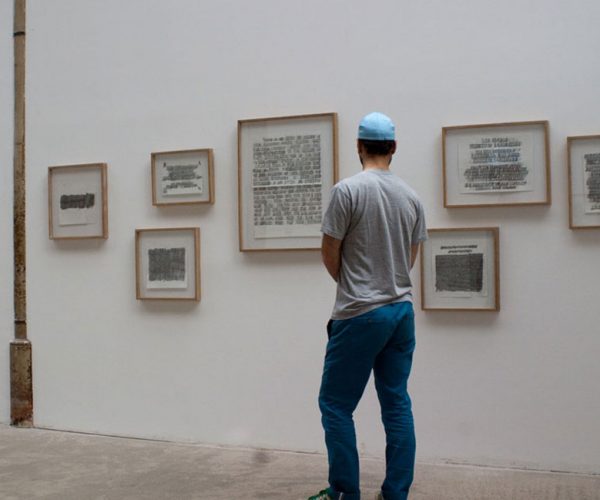
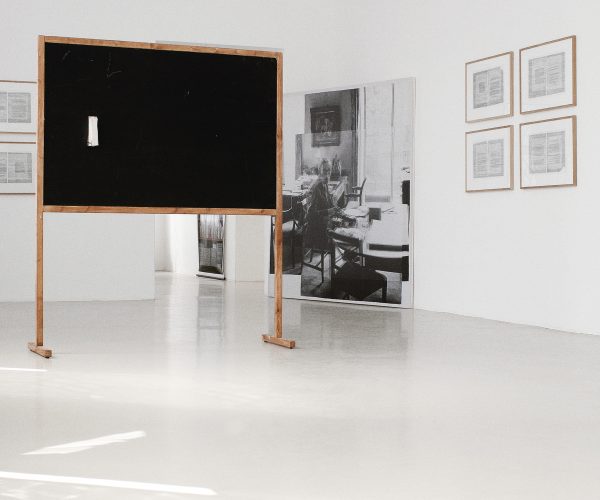
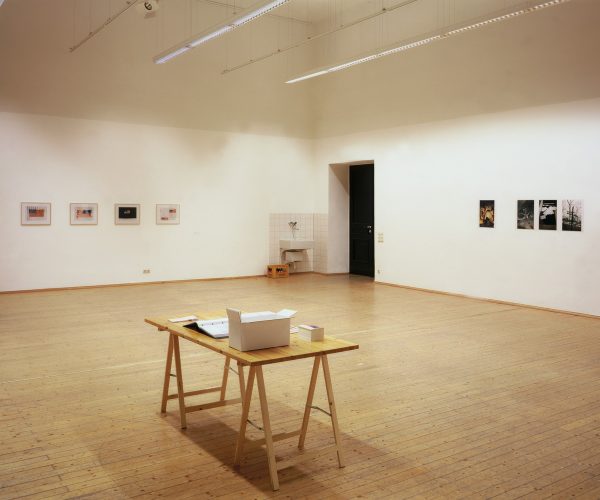
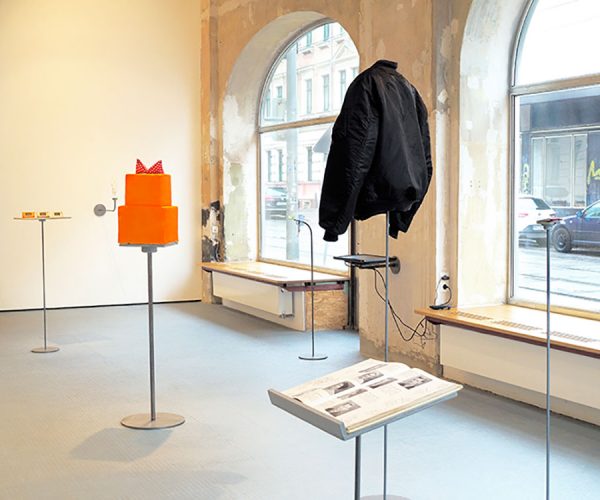
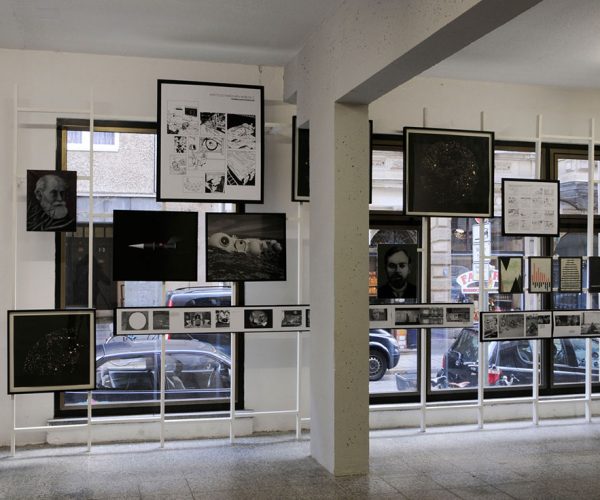
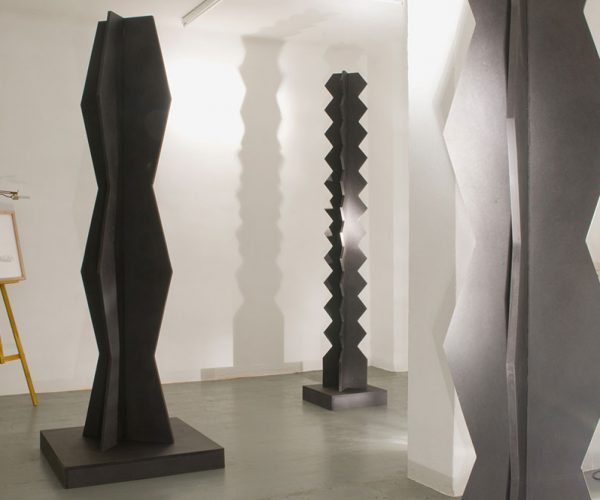
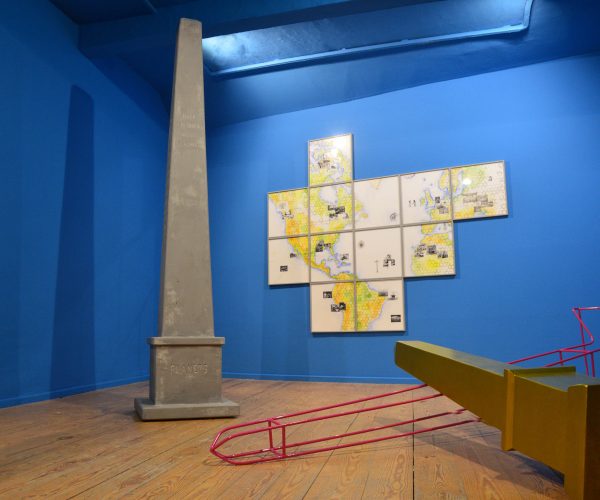
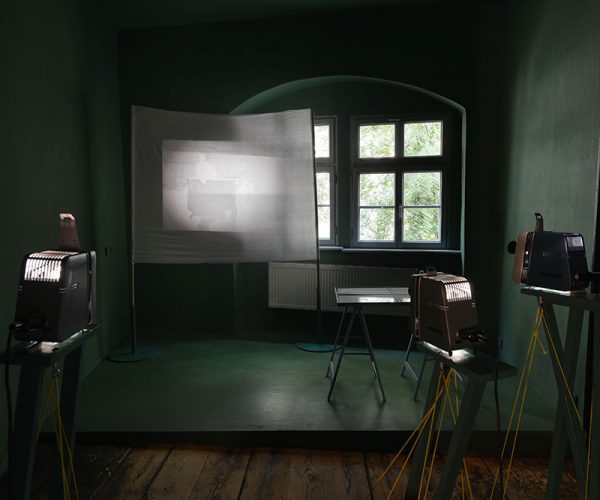
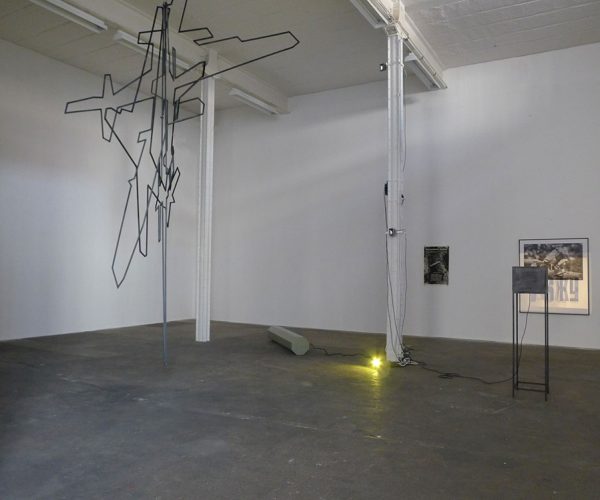
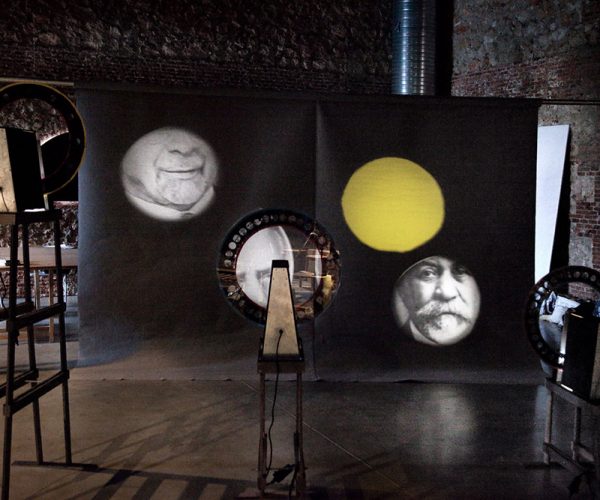
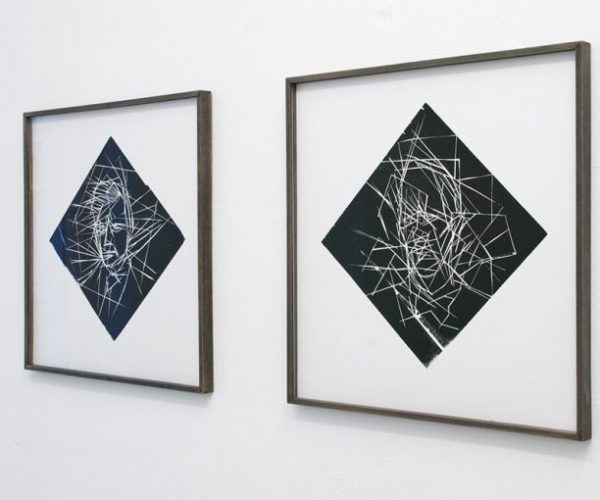
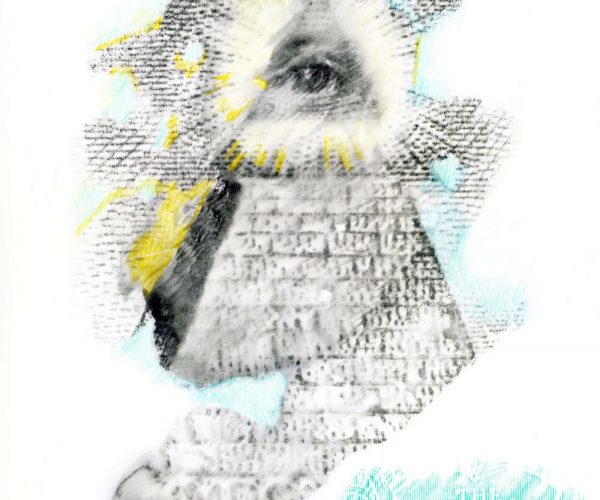
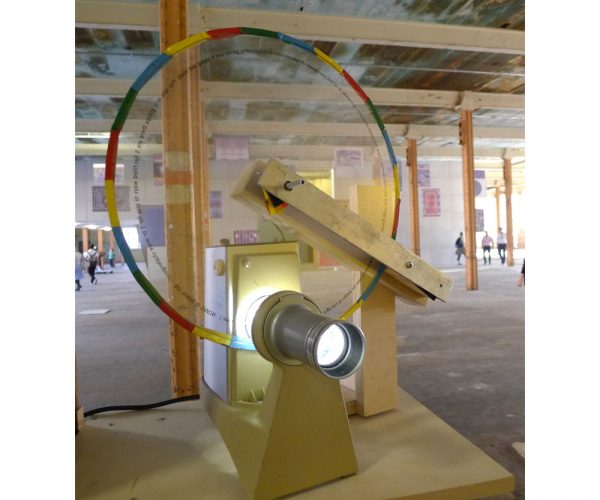
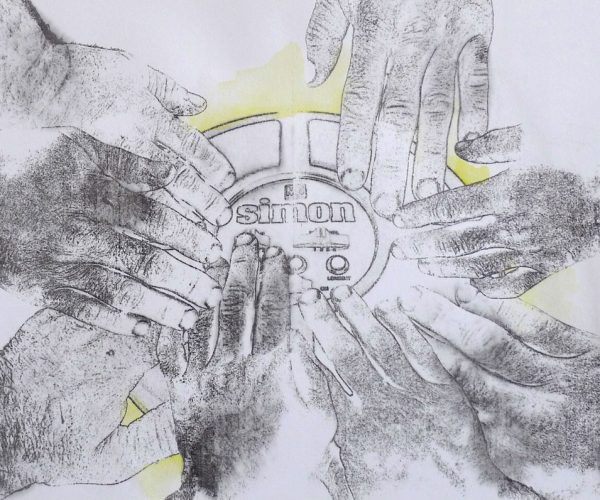
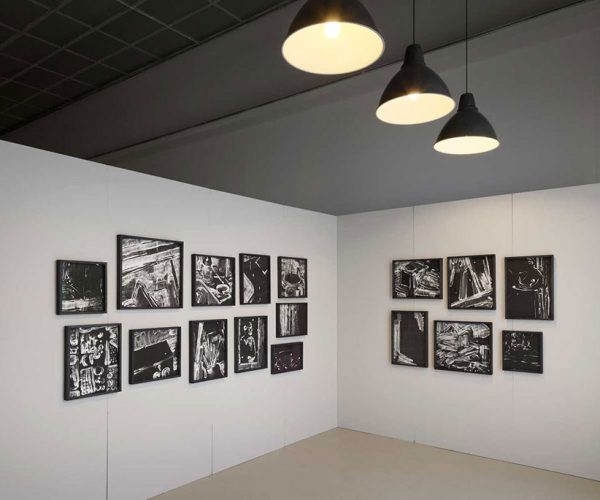
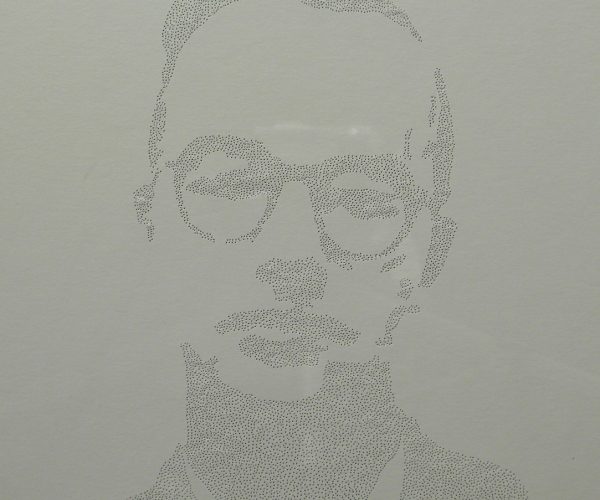
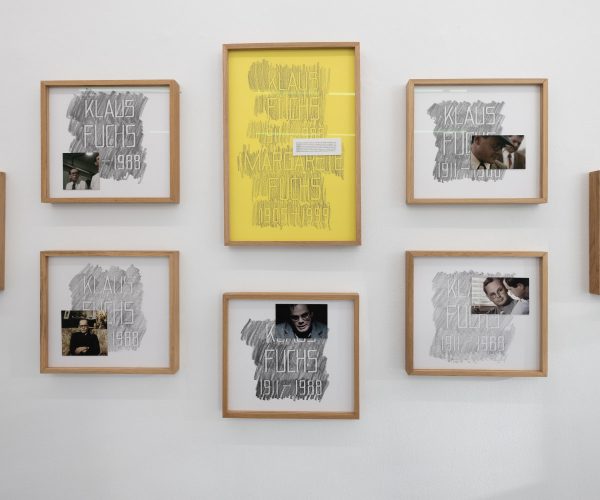
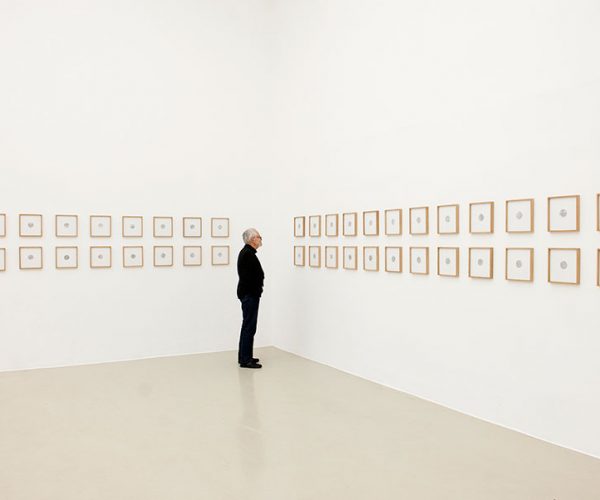
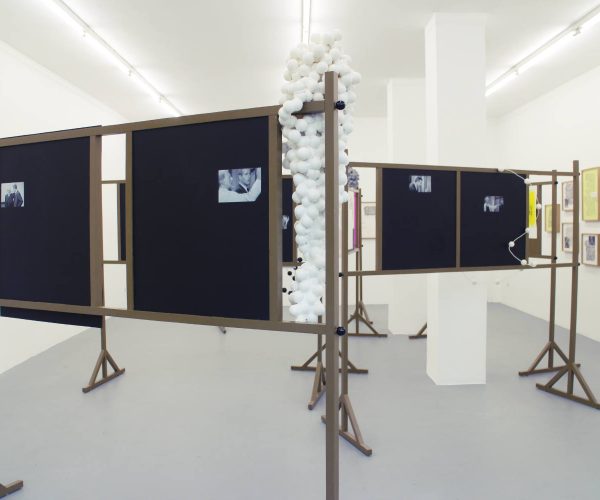
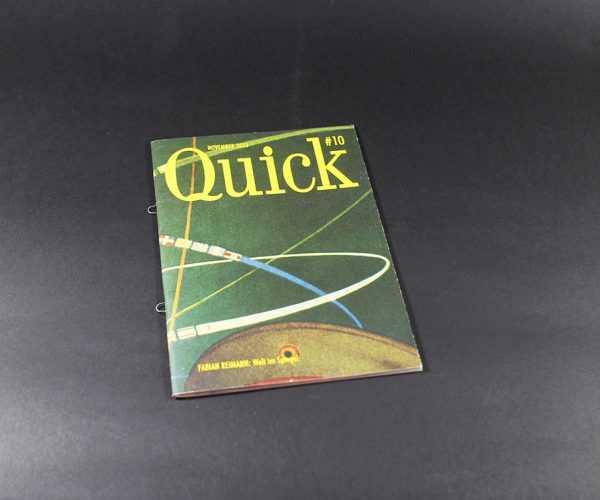
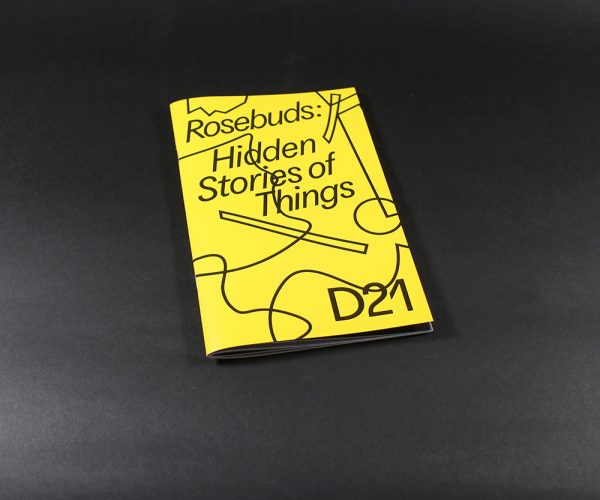
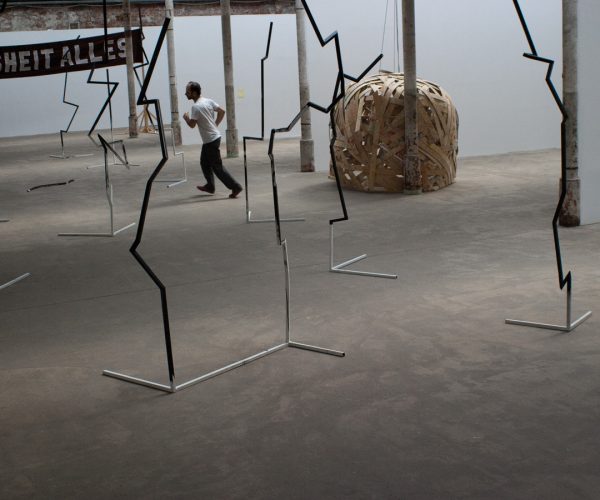
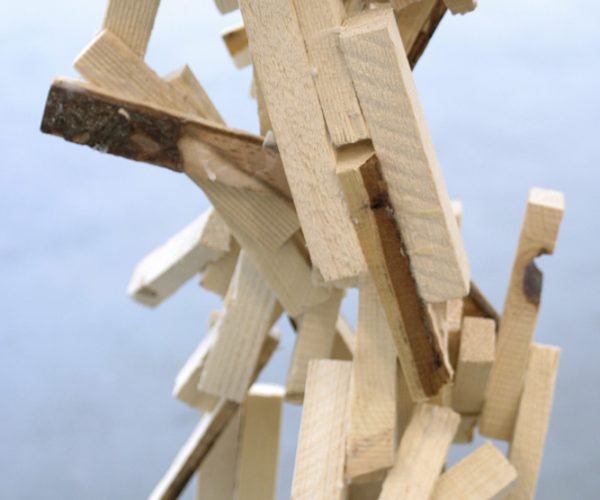
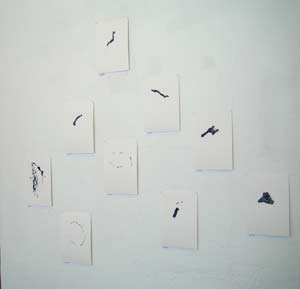
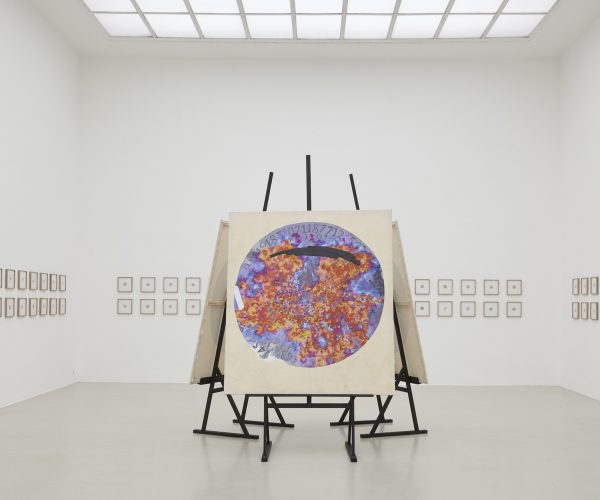
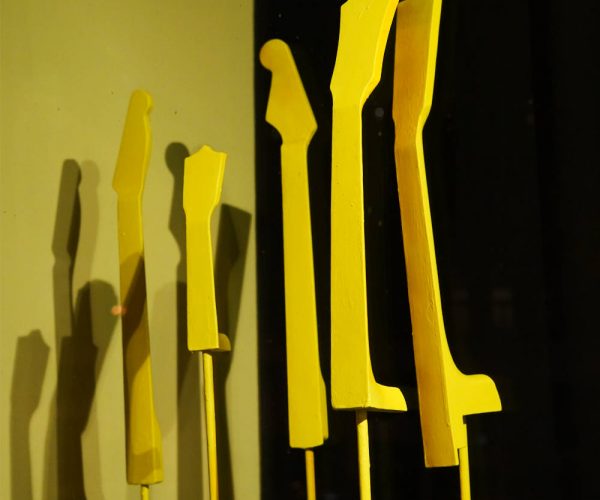
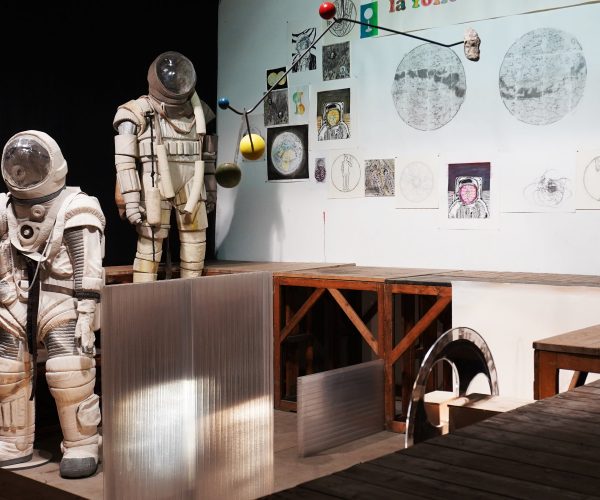
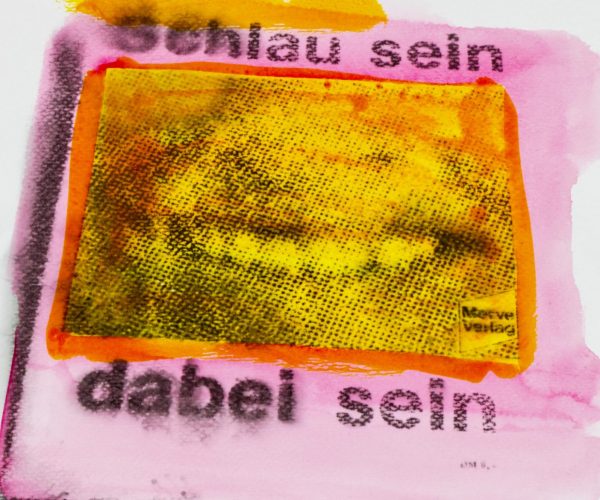
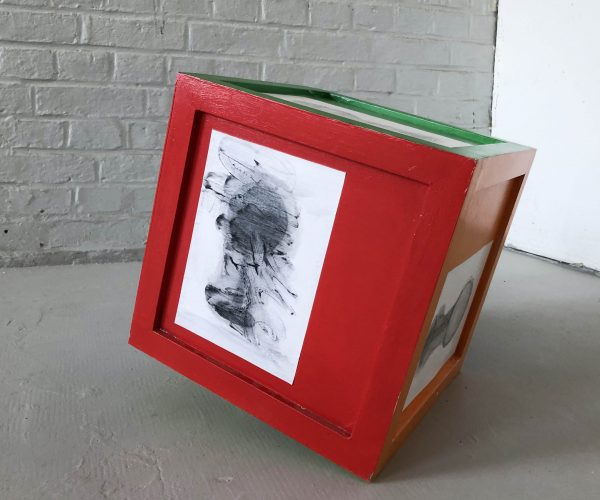
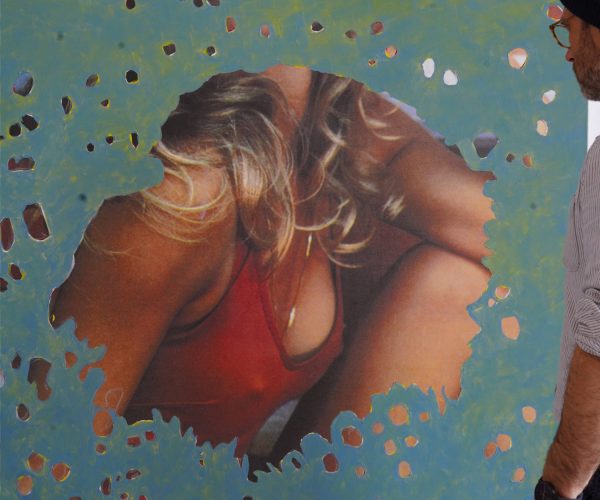
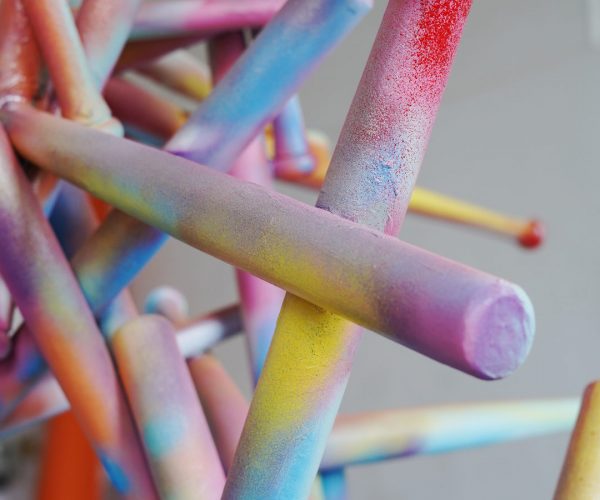
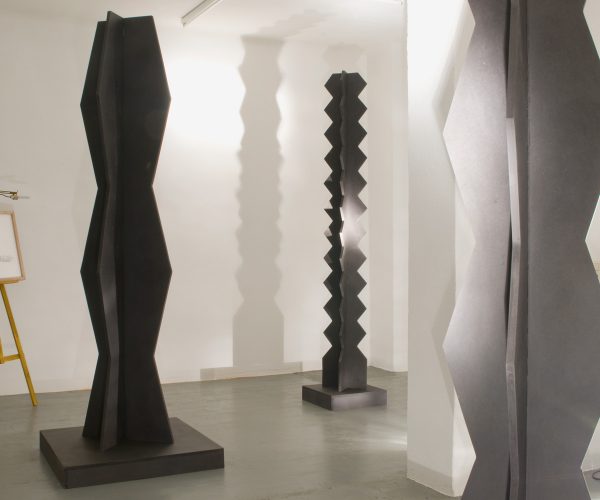
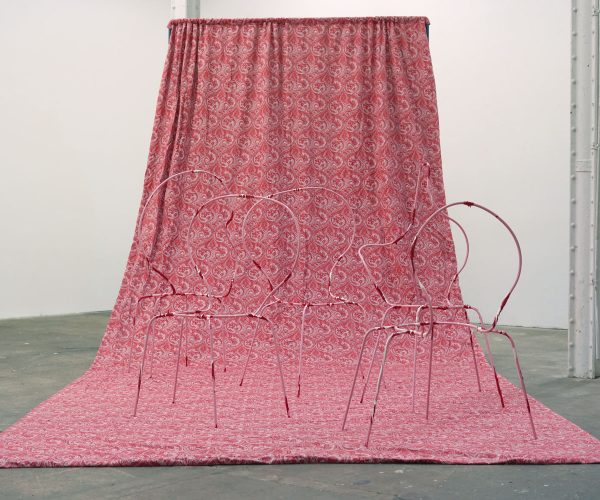
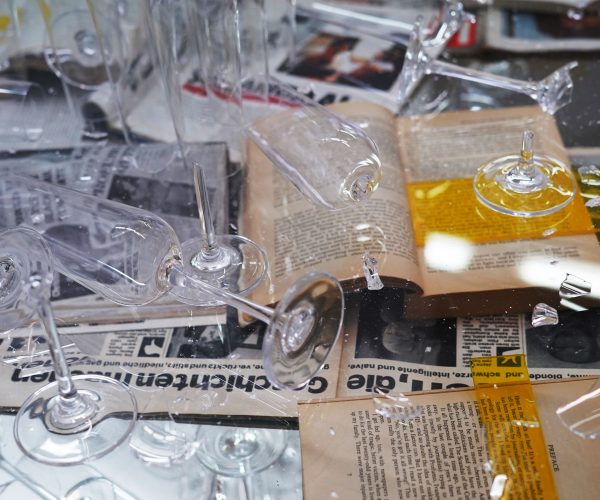
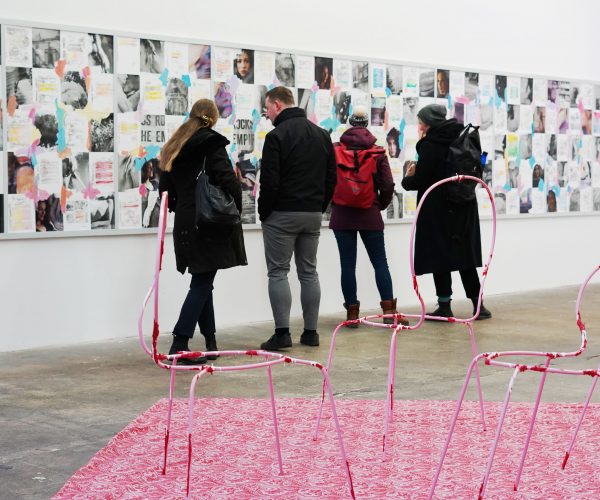
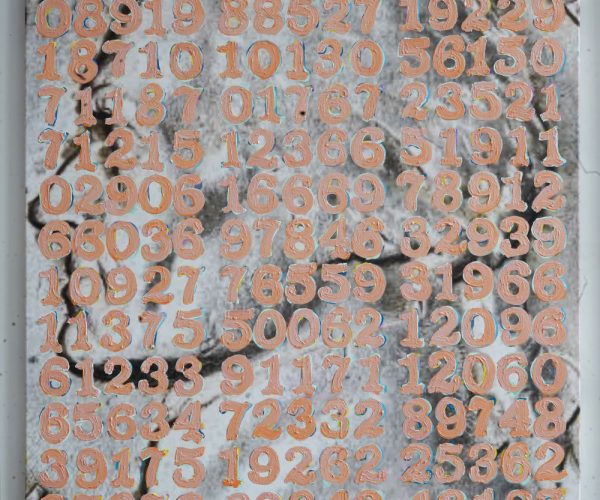
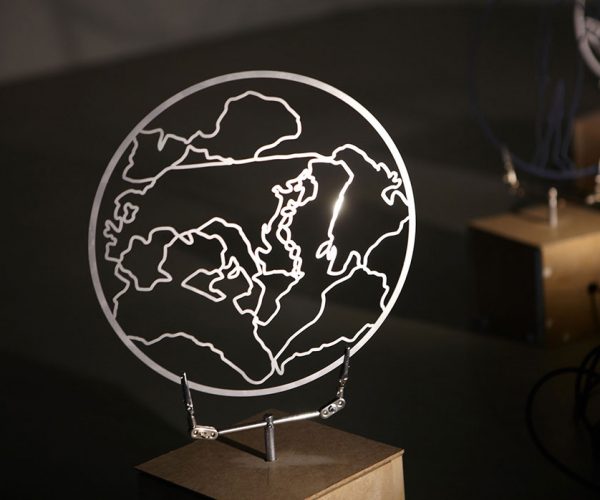
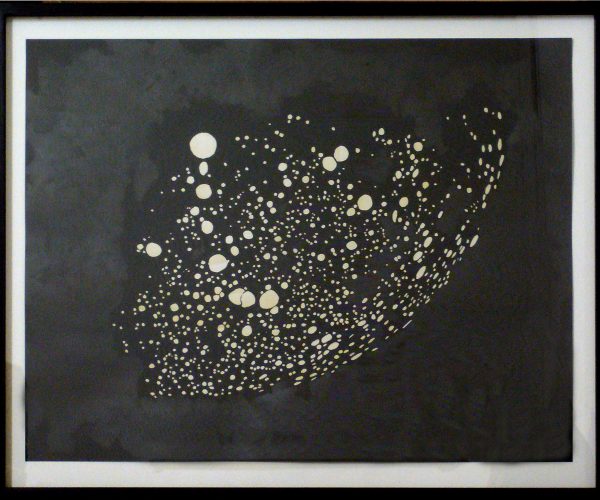
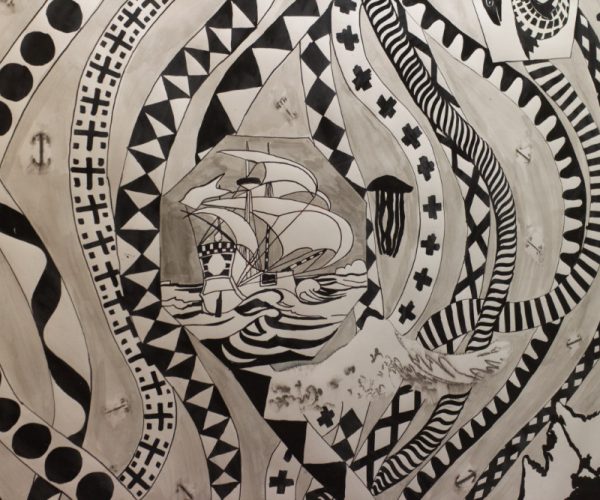
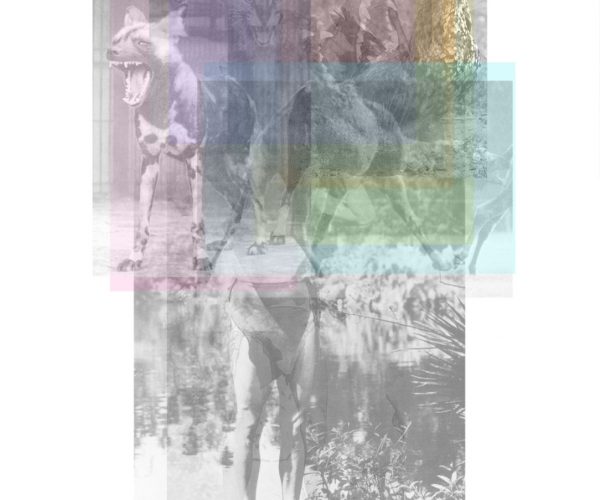
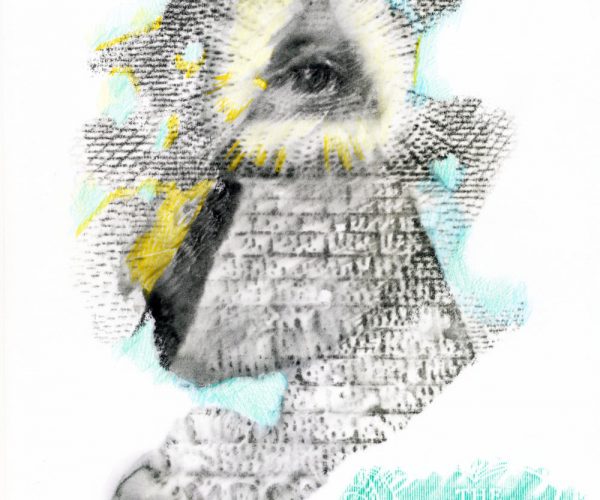
During my stay in Olevano Romano, the student residence of the German Academy, I used the time for intensive research. The results comprised works on paper, models that were assembled in a small spatial essay. This included the model of a large spatial essay.
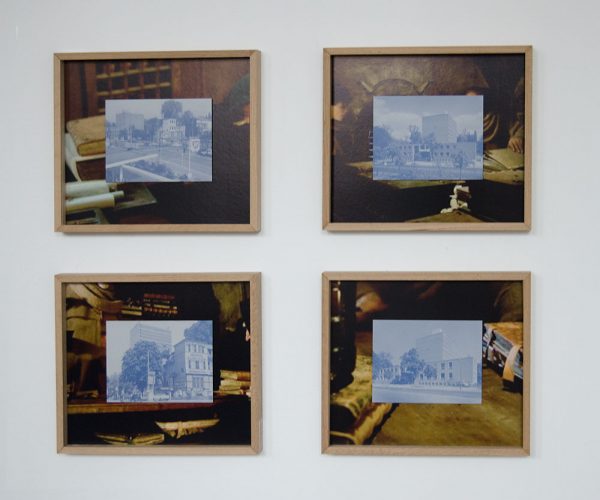
The model contained an almost museum-like collection. Panels, pictures and models were combined:
Panel 1919
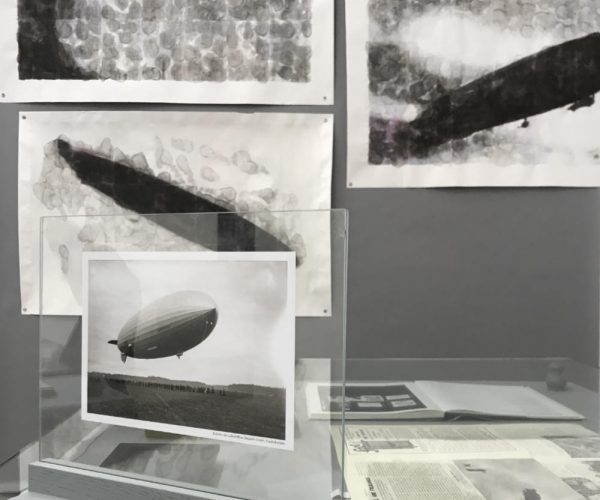
After the First World War, Germany handed over several Zeppelins to various countries as reparations. Thus, the ‘Bodensee’ became the ‘Esperia’ and flew to the North Pole for Italy.
Panel 1927
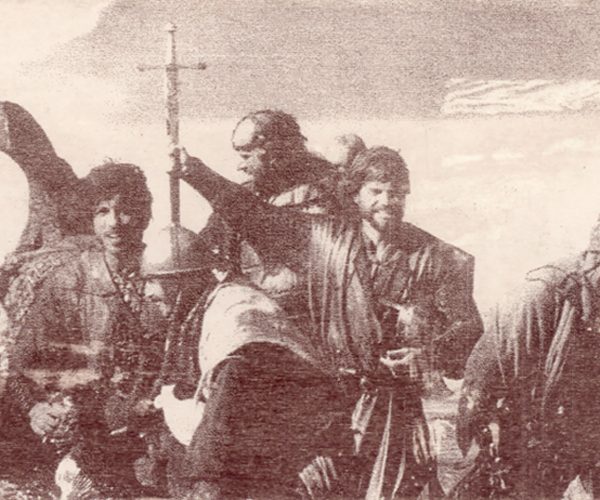
In 1926, the airship ‘N1–NORGE’ flew from Norway to Alaska and back as part of a Norwegian, Italian and American expedition. A year later, an exclusively Italian mission was to fly to the North Pole. The airship ‘ITALIA’, under the command of General Umberto Mobile, crashed on 25 May 1927.
This marked the beginning of the largest rescue expedition in history to date, which was accompanied by considerable media attention. The discoverer of the South Pole and Norwegian national hero Ronald Amundsen took part and lost his life.
Panel 1934
The series of exhibitions of futuristic aviation painting continued in Rome and Milan, then in Genoa and Paris in 1932. The next show in 1932 was in La Spezia, the most important base of the Italian Navy and Air Force (...). In 1934, futuristic aviation paintings awaited hotel guests at the ‘Negresco’ in Nice; in the same year, they were shown in Hamburg and Berlin as a tribute from Goebbels to Mussolini (...)." The exhibition opened on 24 February 1934 at the Hamburger Kunstverein and then moved to the premises of the former Galerie Flechtheim in Berlin. The gallery owner Alfred Flechtheim had already emigrated to London.
Panel 1937
Italy presented ‘Aeropittura’ in a hall at the Small World Exhibition in Paris, the ‘Exposition Internationale des Arts et Techniques dans la Vie Moderne’.
That year, Spain exhibited Pablo Picasso's painting Guernica, commemorating the destruction of the Spanish city of Guernica by the air raid carried out by the German Legion Condor and the Italian Corpo Truppe Volontarie in the same year.
Panel 1941
From 1934 to 1943, Libya was an Italian colony. During the Second World War, the port city of Tobruk was occupied by Italian and German armies and besieged by Allied forces for 230 days. During this time, the ‘Battle of Tobruk’ took place.
Starfighter
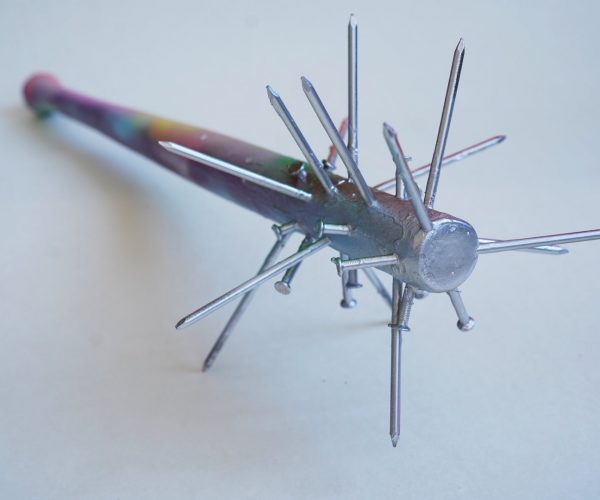
The Lockheed F-104 fighter jet, grandly named the ‘Starfighter’, became known in Germany primarily for its catastrophic shortcomings. There was talk of a scandal surrounding the purchase of this aircraft for the German Armed Forces because it crashed so often that it was nicknamed the ‘widow maker’ or ‘ground nail.’ The German Air Force decommissioned the aircraft in 1991, and the Aeronautica Militare followed suit in 2004.
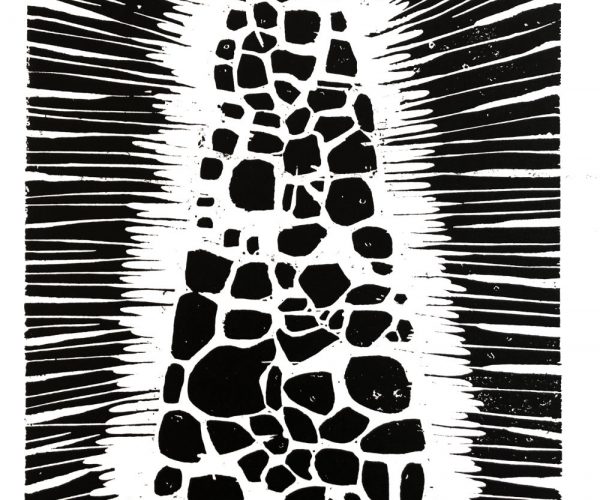
Further works were presented individually or arranged together with other works to form pictorial and spatial essays: No survivors Lighter than air Mirrored World Terraforming BILDFLUG Staged destruction Logical consequences